The Complete Guide to Email Marketing in 2026: Strategy, Tools and Best Practices
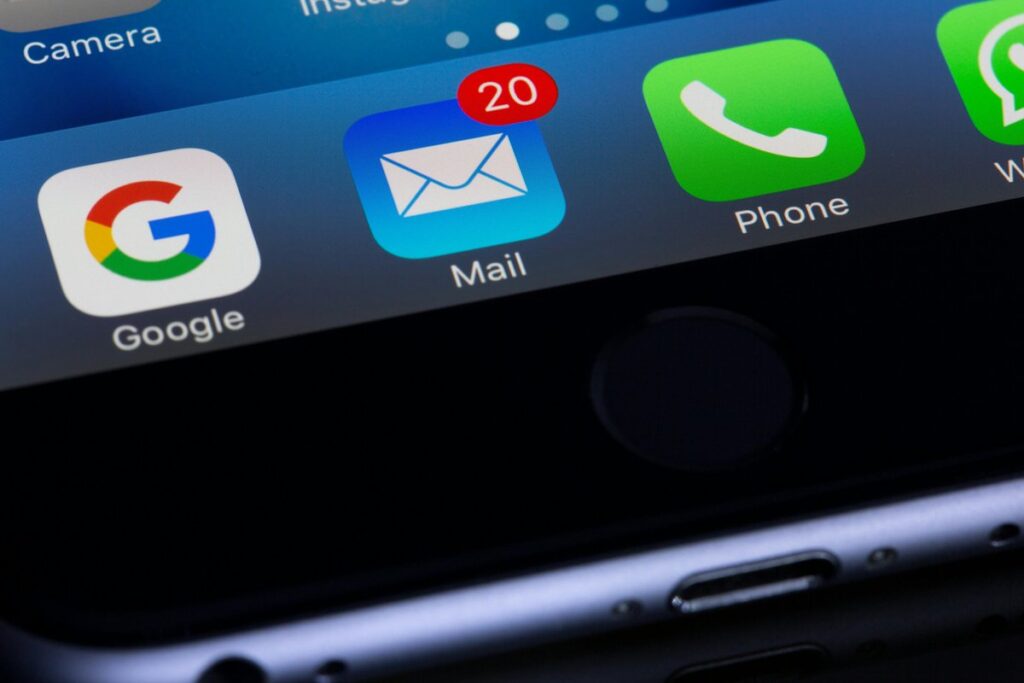
Every few years, someone declares email marketing dead. And every few years, they’re wrong. In 2026, the channel pulls $36 for every $1 spent - a number that keeps going up while most other metrics tank. AI-powered search engines like ChatGPT and Google AI Overviews are quietly eating organic traffic. Social algorithms? Completely unpredictable. The reach you spent years building can disappear overnight. Ad costs are up 20-30% year-over-year in competitive industries, and that trend isn’t reversing. So the inbox - direct, personal, yours - has become the most valuable real estate in digital marketing. Over 4.4 billion people check email daily. 361.6 billion messages cross servers every 24 hours, growing 4.3% year-over-year. No sign of slowing down. At Mailcraft.eu, we’ve spent years building an email platform and working alongside teams dealing with exactly this. One thing I’ve seen over and over: brands that treat email as their primary owned channel grow more predictably than those betting on rented audiences. Marketing leaders are getting the memo.
According to an AdRoll study on marketing and advertising trends, 65% of marketing managers plan to invest more in email marketing as a reliable owned channel in 2026.
This guide covers everything from strategy basics to advanced personalization - the practical stuff you can actually use right away. Whether you’re setting up your first real email program or trying to squeeze more out of an established one, this is the playbook that separates high performers from everyone stuck in the promotions tab.
Why Email Marketing Outperforms Every Other Channel in 2026
The ROI gap between email and pretty much every other digital channel has gotten wider. Industry data consistently puts email ROI between $36 and $45 per dollar. That’s a 3,500%+ return. No paid platform touches that at scale. Meanwhile, cost-per-click on paid social and search keeps jumping 20-30% year-over-year in sectors like finance, SaaS, and e-commerce. The math is simple. Email’s cost structure stays flat and predictable - once your list exists, each additional send costs almost nothing. One good automation can outperform dozens of one-off blasts.
But here’s what I think is the real strategic play: first-party data ownership. When someone opts into your list, you get a direct line that no platform can throttle or kill. Social media brands learned this the hard way when algorithm updates crushed organic reach from double digits to low single percentages. Overnight. Your email list belongs to you - not to Meta, not to Google, not to some intermediary whose business model might pivot tomorrow.
“You’re not paying to play with advertising. You’re not fighting an algorithm. You’re still competing in the inbox. But it’s a fairer fight. Attention is earned through relevance and trust.”
The engagement numbers back this up. Average open rates across industries sit at 39.64% according to GetResponse’s 2024 benchmarks. And 95% of marketers say their email strategy met core business goals. These aren’t vanity metrics - they reflect real attention from people who chose to hear from you. At Mailcraft.eu, our users consistently see email beat their paid channels on cost-per-conversion, especially for retention workflows where the sender-subscriber relationship already has some trust behind it. That compounding trust? You can’t replicate it with display ads or boosted posts. I’ve tried. It doesn’t work.
Building Your Email Marketing Strategy from the Ground Up
A good email program is a system. Not a random collection of campaigns you throw together on Fridays. The architecture follows a sequence: Goals, Infrastructure, Segments, Lists, Copy, Design, Compliance, Delivery, KPIs, Optimization. Skip one step and performance drops across the whole chain. I’ve watched teams pour money into gorgeous templates while completely ignoring authentication. Or obsess over subject lines while blasting unsegmented lists. The system only works when everything connects.
Goal setting. Most teams phone this in. “Send more emails” isn’t a strategy - it’s what happens when you don’t have one. Apply the SMART framework and be ruthless about it. Target specific conversions, measurable click-through rates, or revenue you can actually attribute. Not open counts. Match each campaign type to what it naturally does well. Newsletters build awareness and trust. Promo sequences drive sales. Winback flows recover churning subscribers. Mix those purposes in a single campaign and you dilute all of them.
Before you send anything, your infrastructure needs to be solid. Here’s the checklist:
- Select an ESP with native automation capabilities and robust API integrations
- Connect your CRM or CDP so subscriber data flows bidirectionally in real time
- Configure SPF, DKIM, and DMARC authentication - mandatory for Google and Yahoo in 2026, and without all three, high-volume senders face outright rejection
- Implement a domain warming protocol: start with 20-50 trusted emails per day, then scale gradually over four weeks to build positive ISP reputation
- Establish a dedicated sending subdomain to isolate marketing reputation from transactional email
Once infrastructure is locked down, build your segmentation ladder step by step. Start with demographics. Layer on lifecycle stage, then intent signals from browsing behavior, purchase history, and finally stated preferences from preference centers and surveys. At Mailcraft.eu, we designed our onboarding around this exact sequence because users who skip infrastructure setup hit three times more deliverability issues later. The foundation matters way more than the facade.
List Building and Hygiene: The Ceiling of Campaign Performance
Your list quality determines the maximum performance any campaign can ever reach. Full stop. No amount of brilliant copy or beautiful design compensates for a list full of dead addresses, spam traps, and people who forgot they signed up. And yet - so many teams treat list building as an afterthought. A generic “Sign up for updates” form buried in the footer. Then they wonder why growth stalls. That value proposition stopped working years ago. In 2026, you need real incentives: lead magnets that solve actual problems, gamification like spin-to-win discount wheels, referral programs, social CTAs that convert followers into subscribers. Aim for 1-2% daily list growth across these channels.
Double opt-in. Non-negotiable. Yes, it adds friction. Yes, your signup numbers dip slightly. But the people who click that confirmation link are verified humans who actually want your stuff. Single opt-in lets in spam traps, typo addresses, and bot signups that quietly wreck your sender reputation over weeks. The volume advantage disappears the moment Gmail starts routing everything to spam for your entire list. I’ve seen it happen. It’s ugly.
Tip: Scrub bounces weekly using dedicated verification tools, and run a strict sunset policy. Here’s what works for most senders:
- 30 days inactive: Move to an “At Risk” segment and adjust sending frequency
- 60 days inactive: Trigger a dedicated re-engagement campaign with a compelling reason to stay
- 90 days inactive: Stop emailing entirely - continuing only damages your aggregate engagement metrics
- 6 months inactive: Remove from your list completely, no exceptions
Why this matters: emailing ghosts kills your aggregate open and click rates. Low engagement signals to inbox providers that your content isn’t relevant. They push future emails to spam - for everyone, including your best subscribers. List data decays at roughly 22% per year as people change jobs, abandon addresses, move on. So always-on acquisition and rigorous hygiene aren’t nice-to-haves. They’re what keep you from shrinking. At Mailcraft.eu, our built-in hygiene scoring flags at-risk contacts automatically. Because by the time you notice deliverability tanking in your metrics, the damage has been building for weeks.
AI, Automation and Hyper-Personalization: The 2026 Playbook
AI in email marketing isn’t new or experimental anymore. It’s just… part of the job now. The teams pulling ahead aren’t the ones bragging about “using AI” - they’re the ones who’ve woven it into campaign ideation, subject line testing, copy drafts, and automation design so naturally you barely notice it’s there. Too many marketers still treat AI as some separate initiative. It shouldn’t be. Think of it as a sparring partner. It suggests angles you missed, drafts variations for testing, spots patterns in subscriber data that would take you hours to find manually.
That said - there’s a line. Subscribers can tell when content has no real voice behind it. When emails feel like they came from a committee or a prompt rather than a person who actually knows the audience. Use AI to move faster and think wider, but run everything through human judgment before it hits an inbox. Your tone, your opinions, your willingness to take a stand on things your audience cares about - you can’t automate that stuff. Not without losing the authenticity that keeps people engaged long-term.
Behavior-triggered flows are where most teams leave the biggest gains on the table. Unlike batch campaigns sent on a schedule, these fire when subscribers actually do something - and that context makes them dramatically more effective. The essentials: welcome series for new subscribers, cart and browse abandonment recovery, replenishment reminders based on purchase cycles, winback sequences for lapsing customers. Each one works because the timing makes sense. Someone signed up. Someone browsed. Someone went quiet. The message arrives because there’s a reason for it.
And hyper-personalization goes way beyond sticking a first name in the subject line. Real personalization in 2026 means customizing content based on behavioral data, purchase history, and preferences people explicitly shared through surveys and preference centers. Progressive profiling during automated sequences feeds this engine too. Pair it with send-time optimization - analyzing when each individual subscriber actually engages instead of defaulting to “Tuesday at 10am” - and you create something that feels genuinely personal. At Mailcraft.eu, I’ve watched users double their click-through rates just by turning on behavior-triggered automations they already had the data for. The capability was sitting right there. They just hadn’t flipped the switch.
Deliverability, Smart Inboxes and the New Success Metrics
Getting into the inbox isn’t enough anymore. Gmail, Outlook, and Apple Mail now use AI to prioritize, categorize, and filter messages based on how each user actually behaves. Reading time, interaction frequency, engagement patterns - all of it feeds the algorithm deciding whether your email shows up in the primary tab or gets buried in promotions. Technical compliance and genuine subscriber engagement have fused into one deliverability equation. You need both.
Authentication is table stakes. Period. SPF verifies your sending IP is authorized. DKIM adds a cryptographic signature proving the message wasn’t tampered with. DMARC sets the policy for handling authentication failures. In 2026, missing any of these means Google and Yahoo block your messages outright. Not filter. Not deprioritize. Reject. This isn’t a recommendation. It’s a hard technical requirement for anyone sending at volume.
The metrics game has changed too. Apple’s Mail Privacy Protection made traditional open rates unreliable by pre-loading tracking pixels whether or not anyone actually looked at the email. Smart teams have moved on to a better KPI stack: click-through rate as the primary engagement signal, engagement trajectory over time for individual subscribers, deliverability metrics like bounce rates and complaint ratios, and satisfaction scores from embedded surveys. This composite view tells you way more about program health than any single number ever could.
Mobile can’t be an afterthought when 60-70% of opens happen on phones. Single-column layouts at 600px width, big tap-friendly buttons, testing plain-text against designed versions - these should all be standard. Dark mode optimization matters just as much now. A majority of mobile users browse in dark mode, and transparent PNG logos that vanish against dark backgrounds or color combos that lose contrast will quietly tank engagement without you realizing why. At Mailcraft.eu, our deliverability dashboard catches authentication gaps, reputation signals, and rendering issues before they hit your campaigns. Because once you see the problem in your metrics, it’s already been compounding for weeks.
Retention, Authenticity and the Long Game
Acquisition costs keep climbing across every channel. Which makes retention the most efficient growth lever most businesses have. And the biggest untapped potential? It’s usually sitting right in your existing contact list. Subscribers and customers who signed up with real interest but drifted away because the communication never evolved. Retention email consistently delivers better ROI than acquisition-only strategies. Yet most teams still dump the majority of resources into filling the top of the funnel while ignoring the people already inside it. Makes no sense.
Authenticity separates the winners from everyone else. People have gotten really good at sniffing out generic, corporate-sounding content - and they tune it out fast. The brands earning sustained attention are the ones showing real people, sharing genuine insights, admitting mistakes, and having actual opinions about things their audience cares about. Perfection is less interesting than personality. A founder sharing an honest lesson learned generates more engagement than a polished message that went through six rounds of approval. Every time.
And then there’s consistency. Probably the most underrated factor in email marketing. A reliable newsletter showing up at a predictable cadence for years builds more trust than the most brilliant campaign sent randomly during marketing pushes. Showing up reliably - becoming something people expect and welcome rather than an occasional interruption - that compounds in ways that are hard to quantify but impossible to ignore. Here are the retention email types that build compounding value:
- Post-purchase follow-ups that reinforce buying decisions and reduce returns
- Usage tips and educational content that help customers extract more value from your product
- Milestone celebrations that acknowledge the subscriber relationship
- Feedback requests that demonstrate you value their perspective
- Exclusive content reserved for loyal, long-term subscribers
- Re-engagement sequences triggered before churn becomes permanent
Here’s the ultimate test for any email program: would your subscribers genuinely miss your newsletter if it stopped showing up? If the honest answer is no, that’s exactly where you should focus. At Mailcraft.eu, we push our users to think of email as relationship infrastructure, not a broadcast tool. The brands that actually internalize this - that shift from pushing messages to building connections - consistently win on lifetime value, retention rates, and the metric that really matters: sustainable growth that compounds over time.
Your Email Marketing Foundation for 2026
Email in 2026 isn’t a fallback or a legacy channel you maintain out of habit. It’s the strategic foundation supporting everything else in your marketing stack. Organic search is eroding. Social reach fluctuates wildly. Ad costs keep climbing. Email gives you something increasingly rare: a stable, owned, direct line to your audience that you fully control. Teams that recognize this and invest accordingly are building advantages that compound year after year.
But success depends on a system, not just picking the right tool. Authentication, segmentation, automation, personalization, list hygiene, measurement - these have to work together as connected parts, not separate projects. The shift from volume to precision defines 2026. Smart inboxes reward relevance and punish lazy sending. AI enables personalization at scale without sacrificing the brand voice subscribers actually want to hear. Every element in this guide - from infrastructure setup to retention strategy - is a link in a chain. And chains break at their weakest point.
At Mailcraft.eu, we built our platform around these principles because I’ve seen what happens when teams treat email as their core owned channel. They grow more sustainably than those chasing algorithm-dependent reach. They accumulate first-party data that gets more valuable with every interaction. They build subscriber relationships that survive platform changes, economic shifts, and competitive pressure. The opportunity isn’t theoretical - it’s sitting in your existing contact list, waiting for a strategy that actually matches the channel’s potential.